
2012-2013 Convocations Schedule
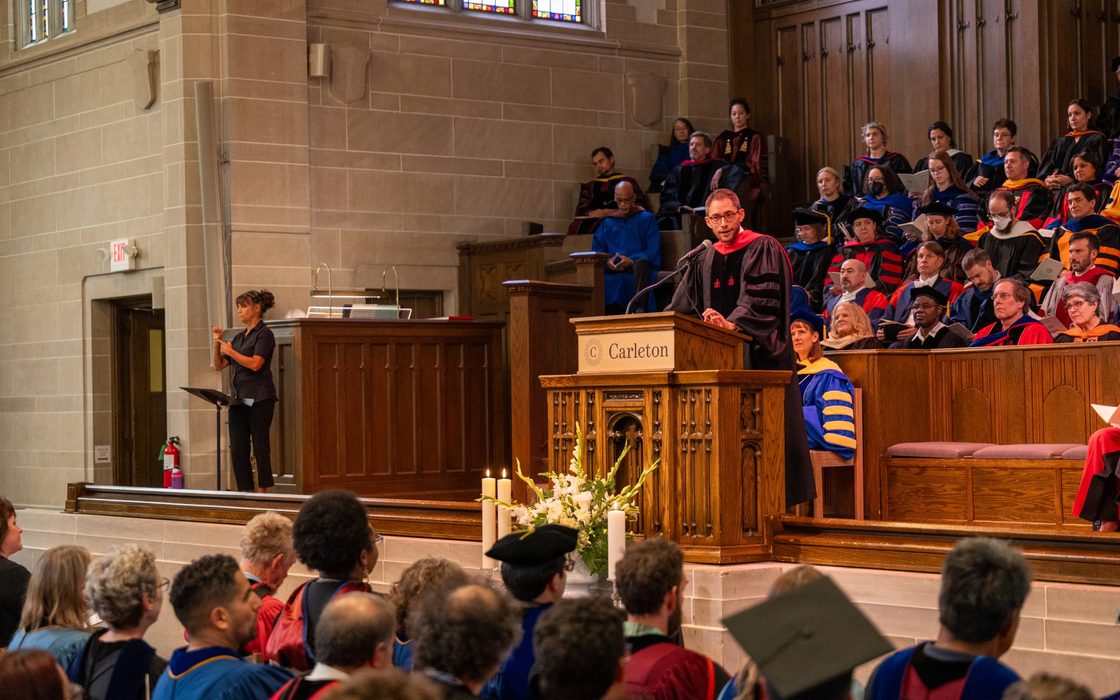
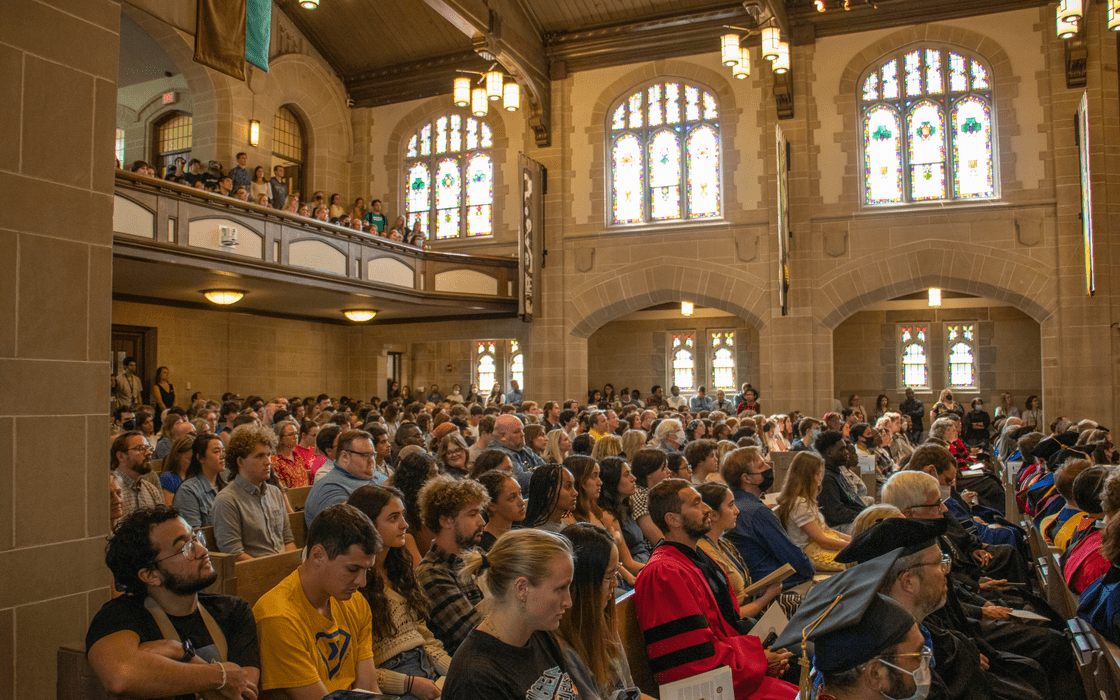
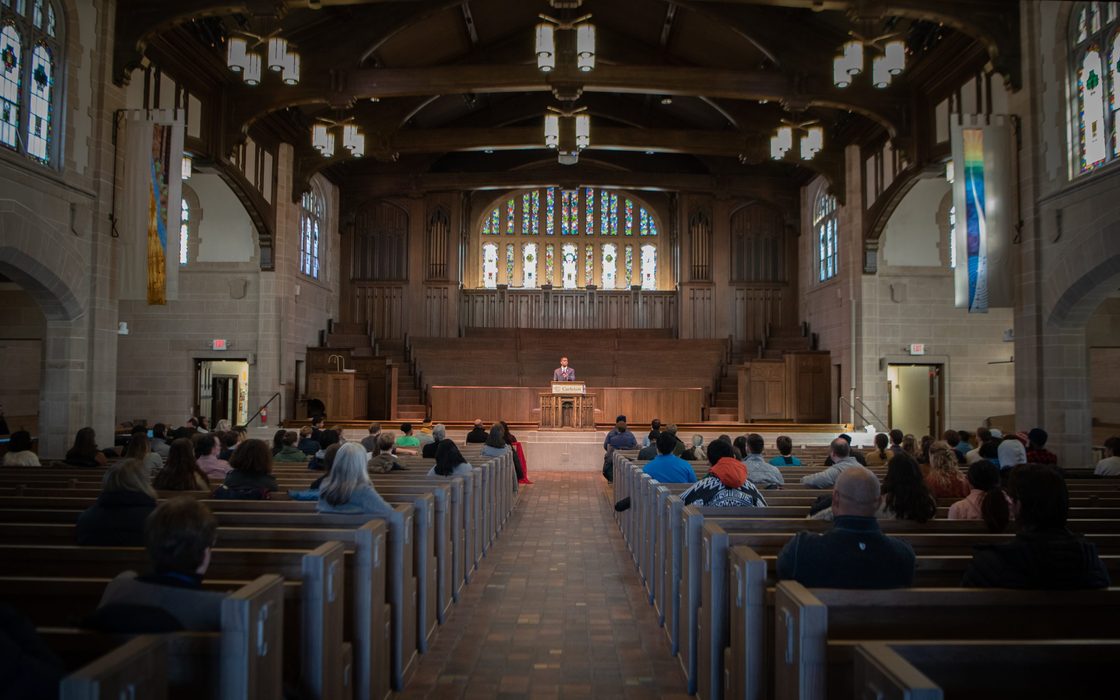
The weekly convocation series is a shared campus experience that brings students, faculty, and staff together for one hour for a lecture or presentation from specialists in a variety of disciplines. The goal of the convocation series is to stimulate thought and conversation on a wide range of subjects. Convocations are open to the public and free of charge.
When permission is granted by the speakers, convocations will be streamed live on the Internet and available for on-demand viewing afterward. Tune in here.
Recordings of convocations prior to the academic year have been archived here. Videos of many past convocations are also in the Gould Library collection.
Carleton students, faculty, and staff may submit suggestions for future convocation speakers with this online form.
Convocation: K. David Harrison
Authority on endangered and dying languages.
Date: Friday, April 5th, 2013
Time: 10:50 am
Duration: 1 hour
Location: Skinner Chapel
Sponsored by: College Relations
Contact: Kerry Raadt, College Relations, x4308
K. David Harrison is an authority on endangered and dying languages with particular interest in connections between language and biodiversity, ethnoecology, and cultural survival. Approximately half of the world’s 7,000 languages are predicted to go extinct in this century, and language death leads to intellectual impoverishment in all fields of science and culture. An associate professor and the chair of the linguistics department at Swarthmore, Harrison is also a fellow at the National Geographic Society and Director of Research at the Living Tongues Institute for Endangered Languages, whose mission is to use multi-media projects to document, preserve, and revitalize endangered and little-documented languages. Harrison’s work involves living in the communities whose languages he is helping to document. He adopts the position that languages exist solely within a cultural matrix, and must be studied holistically and in their natural context. This means that in addition to studying abstract structures in the mind (e.g., vowel harmony), he is keenly interested in what people have to say and how languages shape the structure of human knowledge. His ethnographic research looks at indigenous knowledge, folklore, oral epics, conceptual systems, and naming practices. The title of his presentation is "Endangered Languages."
Categories:
Audiences:
Students, Faculty, Staff, Alumni, General Public, Families, Prospective Students, New Students